

I publish a new article here each week — reflections on this new stage of life, art, and the questions that come with slowing down on purpose.
I also send a weekly newsletter called "Albert the Artist," which lets you know when a new post is up, with a short excerpt and a link back here to read the rest — plus a few small extras to start your week off right.
Here's what's inside each week's newsletter:
Something to read — my weekly post on life after a career
Something to ponder — a thought or idea worth sitting with
A journal prompt — to help you explore what's true for you
A moment to breathe — a simple practice to close the week with intention
An artist’s note - a quick look at my latest creative project
Subscribe to Albert the Artist, my free weekly newsletter featuring essays on life and creative work after 35 years in UX.

For years I avoided bananas before workouts over blood sugar. Here's what I learned about the gap between a rule and the reason it exists — and when to trust that gap.

Standing on that balcony, looking down at the plaza, what I felt was not inspiration exactly. More like recognition. People were just living in a way I've been working toward, and it was built into the architecture of their daily life the way it isn't built into mine. They weren't practicing presence. The plaza was just there, and so they were in it.

Art has never not been part of my identity. It just got crowded out slowly, quietly, in the way that things do when life fills in around them.

There are no lost days. Not when the day had a lake and two friends and a stranger in a library who knew the same Michigan towns I did.
If you read my first list, you know I've been paying attention to changes I noticed in my 50s and what that actually feels like — not what we're told it should feel like. Life after 50 has more going for it than we're told. Here are ten more reasons I believe that.

The itch to buy disguises itself as practicality — I just want the right tool for the job — but underneath it’s anxiety dressed up as optimization. If I could just get the setup right, I’d finally feel settled.
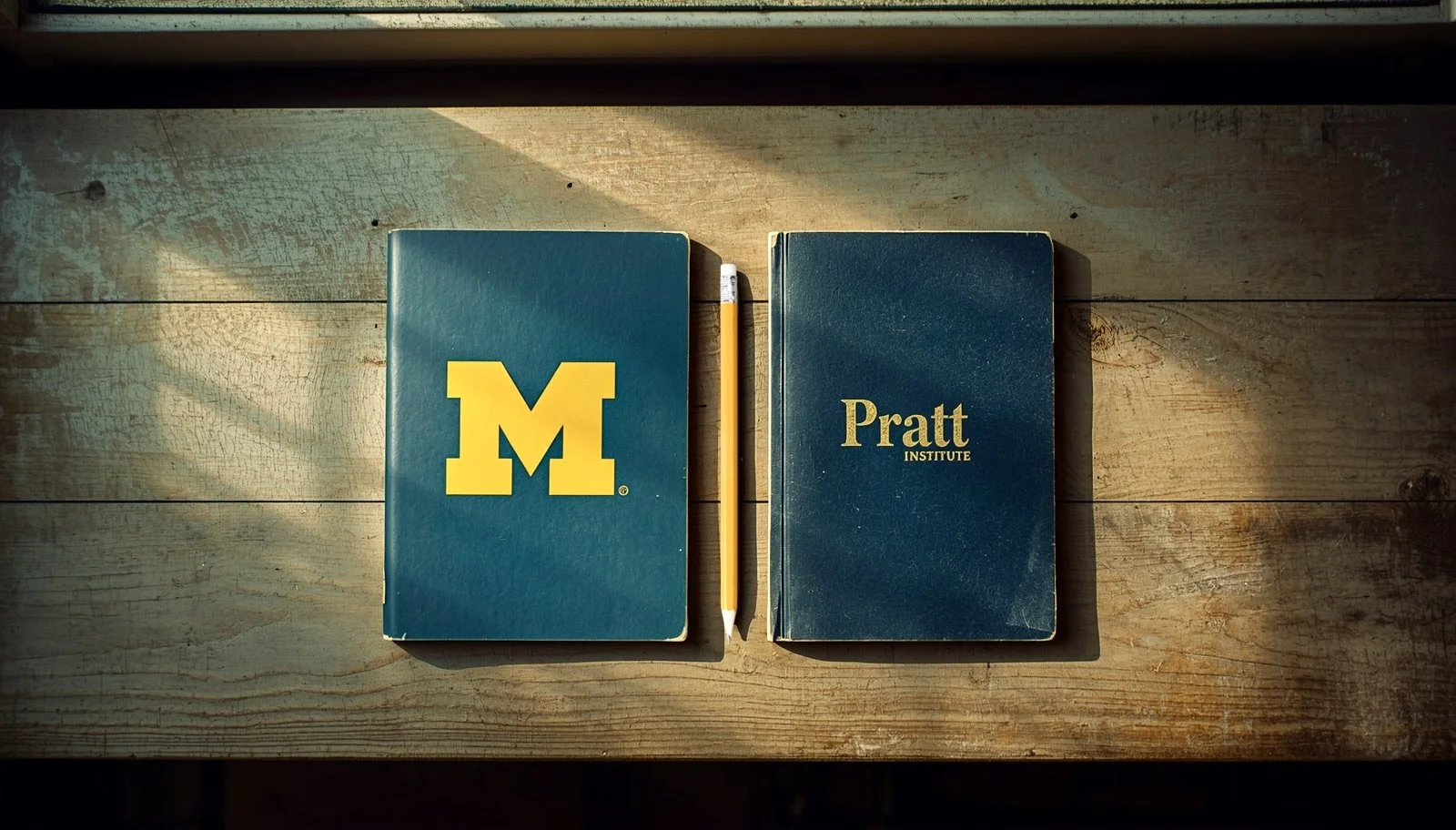
I was in tenth grade, sitting in the art room—one of the last times I'd be there before the program shut down forever. My school was dropping their Art program. I was devastated and faced with a decision. Two college catalogs sat in my hands.
One from the University of Michigan. One from Pratt School of Design in New York.
Two futures. One safe. One terrifying.

I spent the last few weeks crafting a small project based on what I perceived as a real need. I ran it past a few colleagues for input, revised my approach, and then launched a free pilot — opening it up to the first 10 people who applied. I promoted heavily and opened my calendar for scheduling.
One person applied. One.

It’s easy to assume pressure comes from the outside. A job. A boss. A timeline. A client.
When those things fall away, you often replace them yourself.
It can look productive. It can even feel responsible. But this wasn’t about responsibility.

Here's what I know now that I didn't know then. A plan built on logic isn't the same as a plan built on truth. Mine was logical. It made sense on paper. It was practical and honestly, reflected how I plan things. Three income streams, three distinct audiences, one person running it all. Clean and tidy.

Laid off and still job hunting after 3 months? Here’s why applying alone isn’t working—and how a 30-day plan can help you regain traction.

Cleaning a closet ends. You know when you are done. Figuring out what you want next does not work that way.

We take thousands of breaths every day without thinking. What happens when you actually pay attention to just a few of them?

It turns out the first step isn’t building something new. It’s clearing out what’s still taking up space.
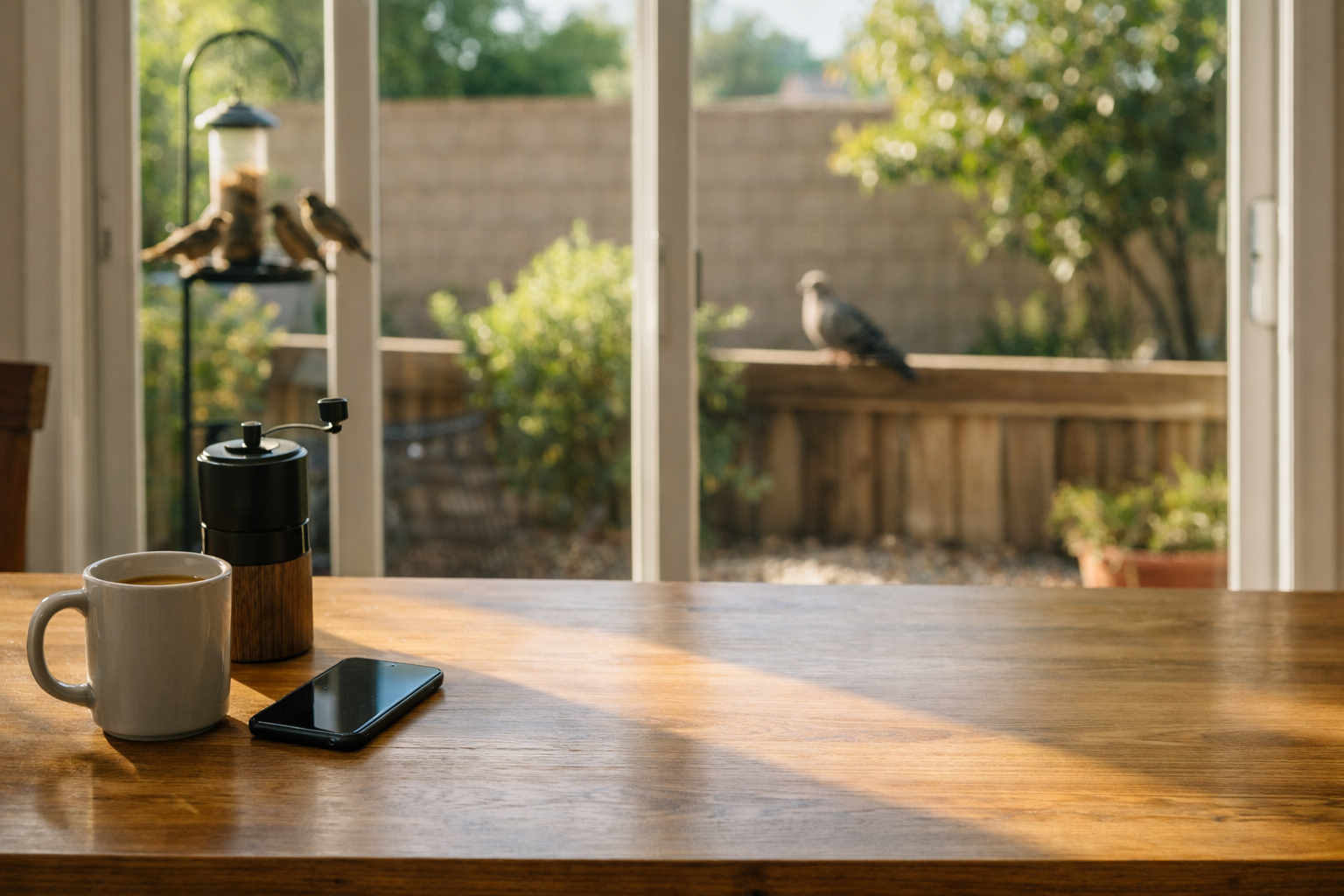
What the first few days of retirement from a long UX career actually feel like — the habits that linger, the quiet mornings, and the freedom of open time.

After a 35-year career in UX design and leadership, I'm stepping away to pursue coaching, AI consulting, and photography. Here's what's next and how I'm planning my first 30 days.

Midlife pivots can feel like starting from scratch. The Winter Olympics tell a different story. What we see in a few minutes is built on a decade of effort. The same may be true for you.

Feeling stuck with the same difficult people or situations? Learn a grounded way to reframe friction, strengthen boundaries, and respond with intention.

Digital clutter isn’t just what’s on our screens. It’s the steady drip of notifications, pings, and “just checking” moments that quietly fragment our attention and wear down our nervous system.
In revisiting Cal Newport’s Digital Minimalism, I’ve been reflecting on how many tools, apps, and services I’ve adopted with good intentions, only to realize that their cumulative cost often outweighs their individual benefits. This isn’t about rejecting technology. It’s about reclaiming choice.
A digital reset doesn’t require drastic change. It starts with noticing what actually supports what matters, and what simply adds noise.
I realized that starting the day well wasn’t enough. I needed another touchpoint to reset—something that could support me in the middle of it all, not just the beginning.
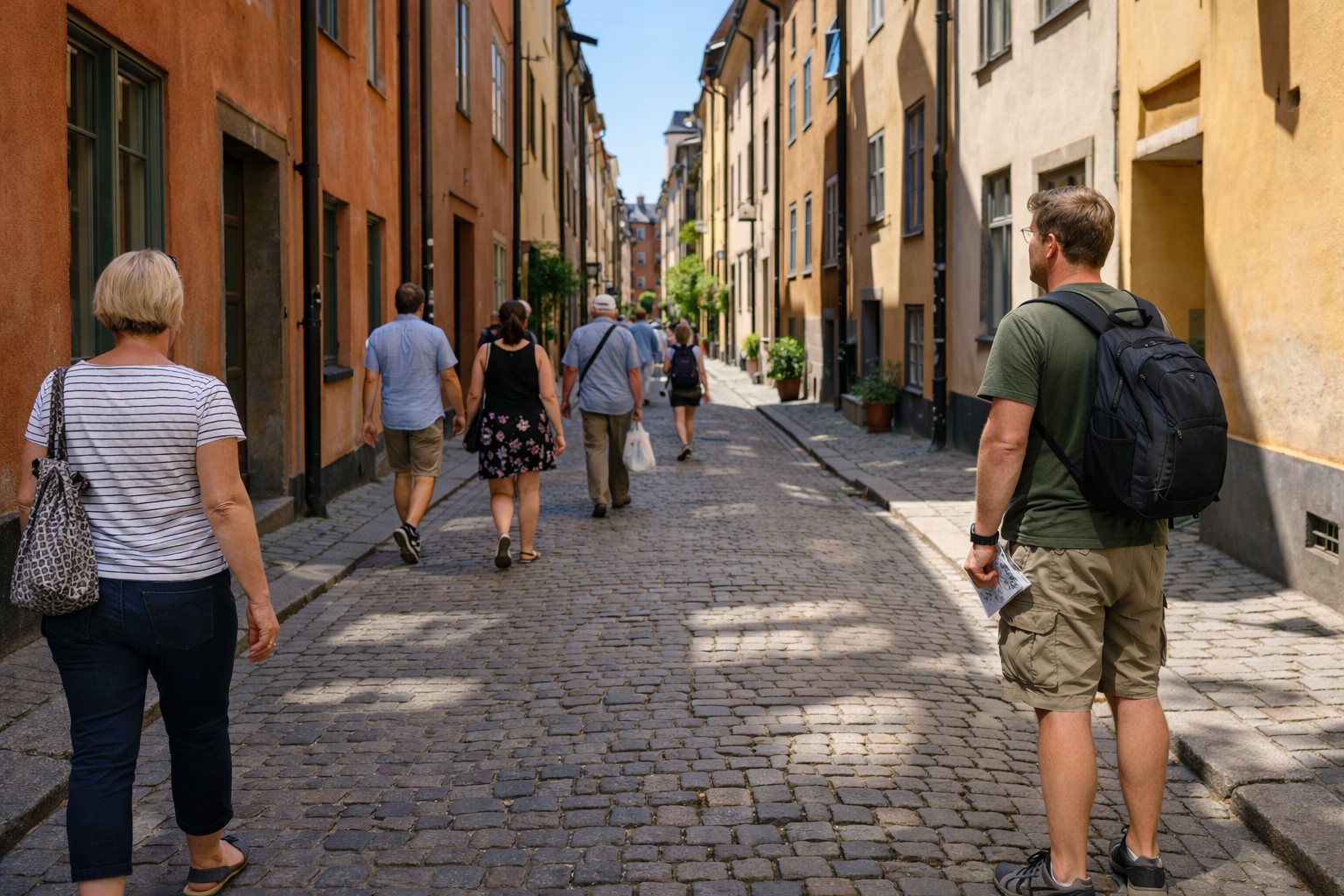
There’s nothing like being outside your comfort zone to wake you up.
Sometimes it’s small. Ordering food you cannot pronounce. Wandering off the tourist path and realizing you are fully in unfamiliar territory. You cannot coast in these moments. You have to pay attention.
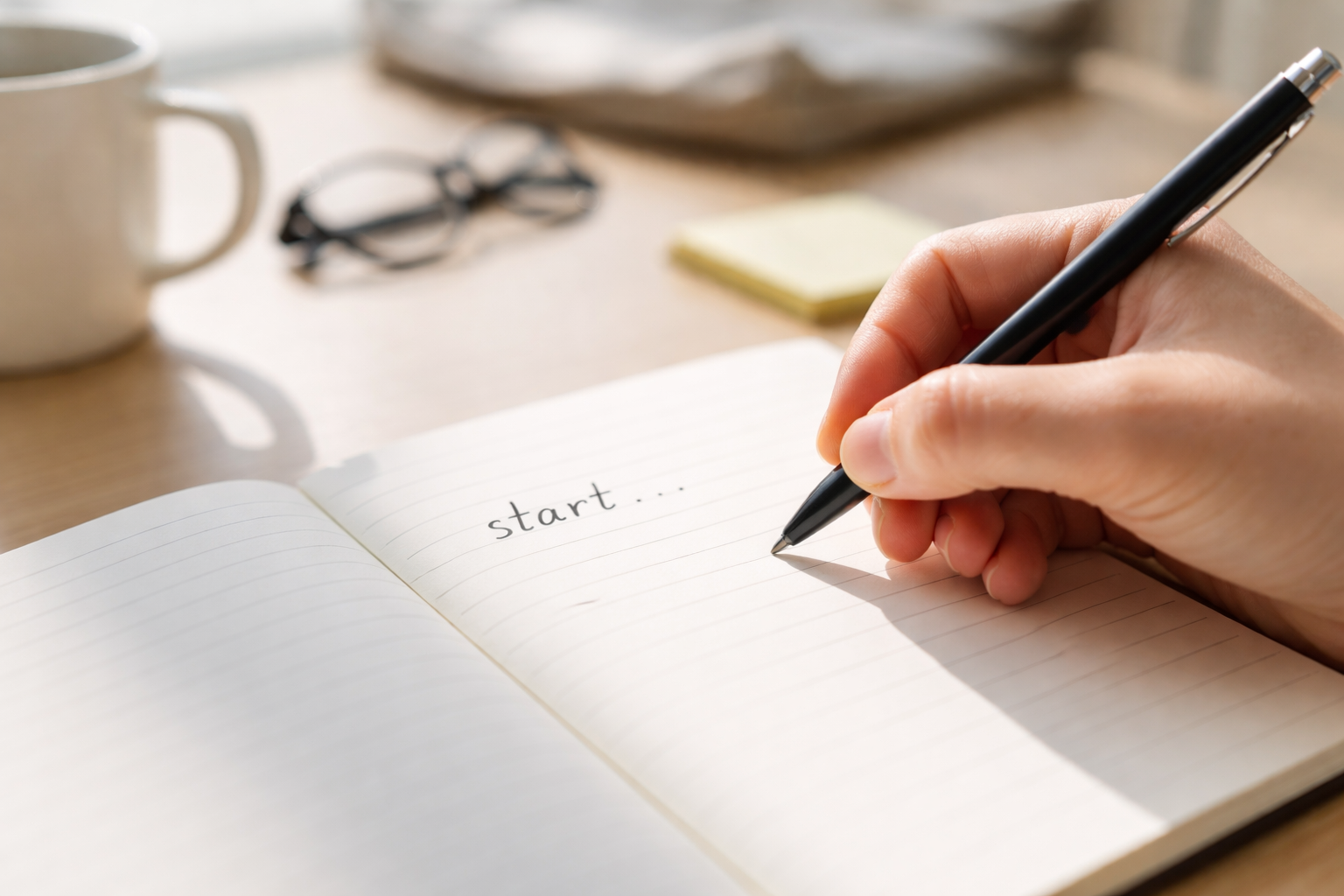
Wanting something new does not mean you need to blow up your life to get it. The smallest change—anchored to real life—can be the one that actually sticks. Not because it’s dramatic, but because it respects your energy, your rhythm, and your reality.”
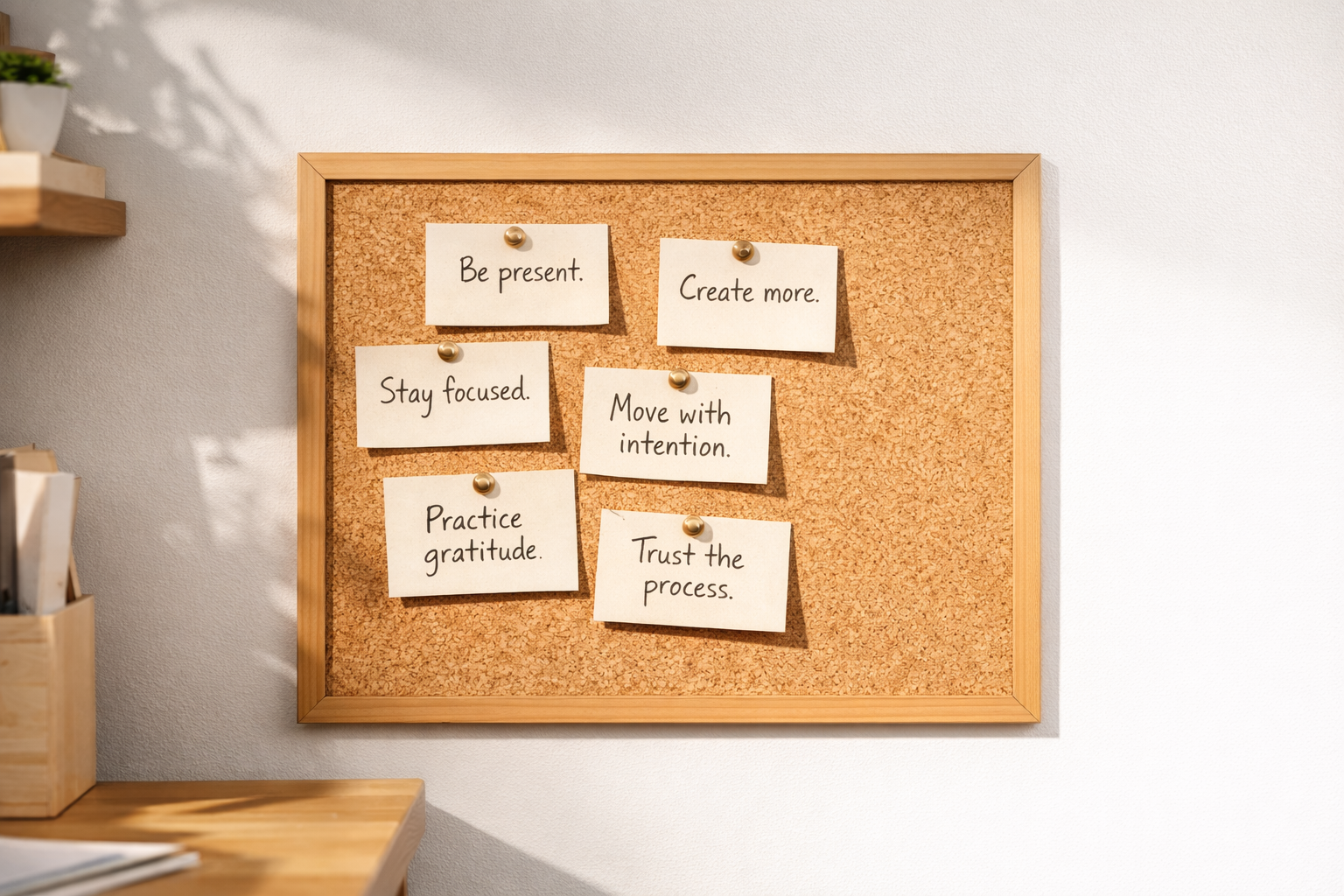
In this week’s post, I share how I’ve replaced traditional resolutions with something more sustainable: intentions.
I still care about outcomes. But I’ve learned that goals tend to be rigid, while intentions offer direction. They help me stay rooted in values like creativity, health, and presence—without the all-or-nothing pressure.
I talk about using mind maps, carrying little intention cards with me, and setting daily “how I want to show up” reminders. It’s not perfect. But it’s grounded. And it’s helping me stay connected to what really matters this year.
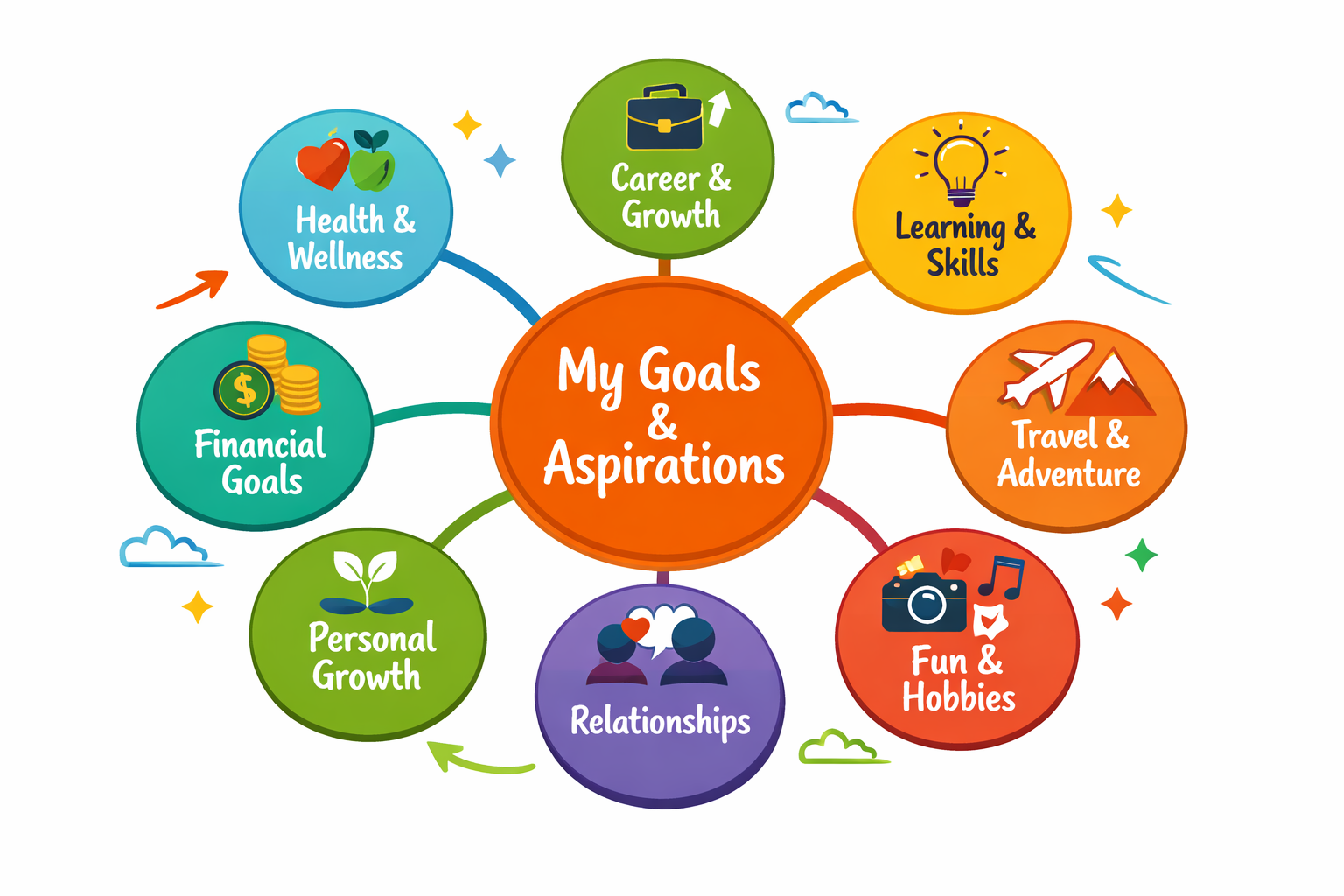
In Looking Back to Leap Forward I revisit a practice I used to do every December: creating a simple mind map of what mattered to me. I found one I made in 2011 and was struck by how much of it still shows up in my life today — creativity, connection, work that feels meaningful. The piece is about noticing what hasn’t changed, and changing the way you relate to the questions that keep circling back.

A personal reflection on Christmas memories, holiday lights, and traditions that still bring warmth and nostalgia during the Christmas season.

My definition of contentment has radically changed. It’s not a destination; it's a collection of small decisions that consistently tilt life toward ease instead of tension.

When you embrace the reality of life’s limits, you start living more intentionally. Here are 5 beautiful shifts that happen when you stop taking time for granted.

“Find your passion” sounds inspiring... but sometimes by your 50s it can feel like a burden. What if your next chapter didn’t start with a flaming spark but with a gentle question: What matters now?
I’ve worked with many professionals who spent decades in one role, and now the pressure to “turn passion into profit” is the wrong starting line. Instead, what actually works: curiosity, low‑risk experiments, values alignment.
If you’re in that space and you’re wondering how to move forward without pressure, start small. Try something. Notice how you feel. Decide from there.
Painting with watercolor after a very long time away. It’s a bit of a learning process all over again.